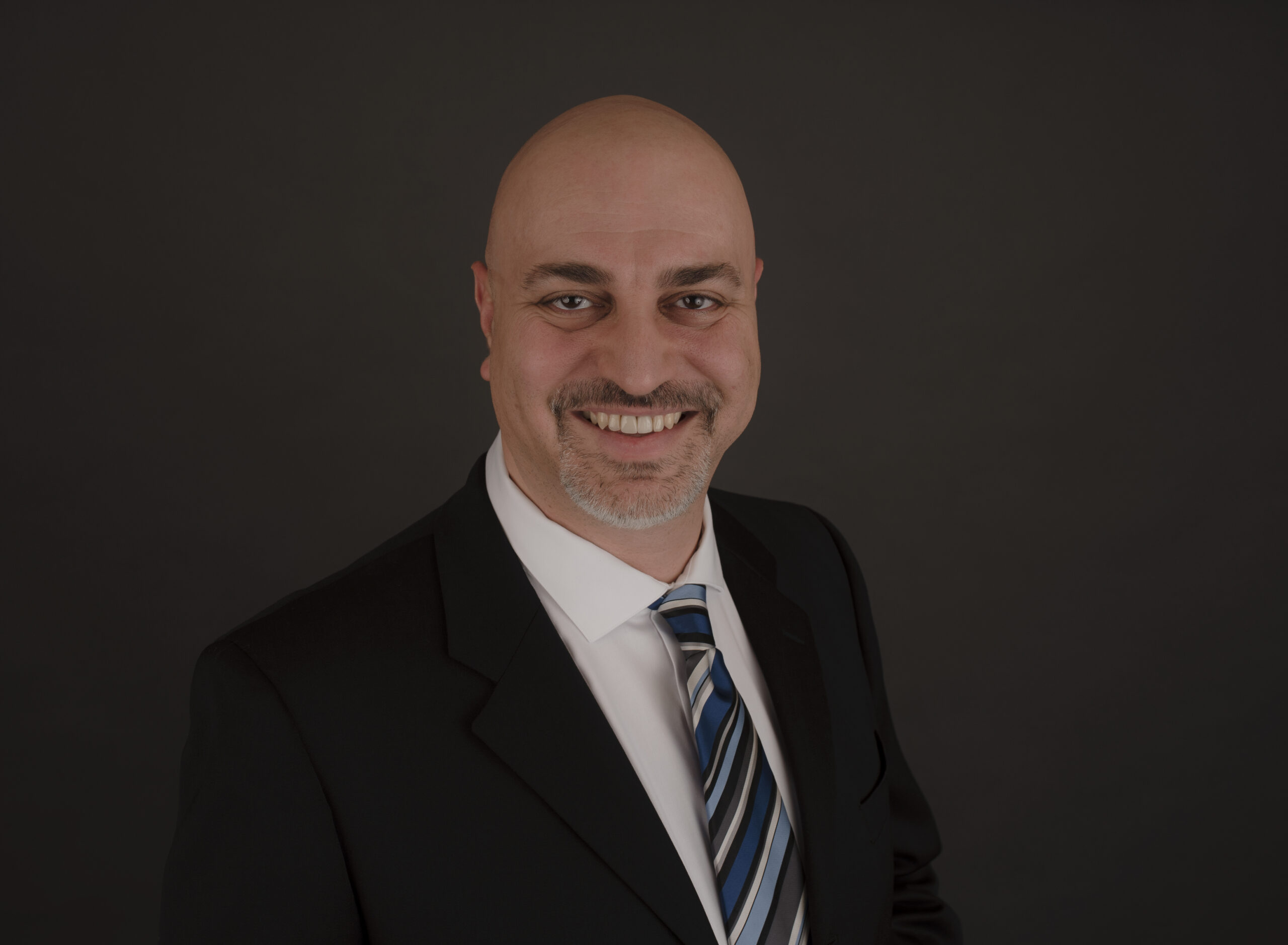
Rami Hammouri

Rami Hammouri

IT Infrastructure & Operations Leader · 25 years in enterprise IT

IT Infrastructure · Cloud · Security Operations

Urgent and high-impact are not the same list.

Twenty-five years building and running enterprise IT — from systems administration to director level, across insurance, telecom, retail and healthcare. The discipline has always been the same: separate what is merely urgent from what is business-critical, then sequence everything else behind it.

$15M Annual savings from infrastructure consolidation at a $1.3B broker
220 Locations moved to SD-WAN across a single program
25 years In enterprise IT, from systems administrator to director

Selected work

Alera Group 2024–25

Standardizing infrastructure across acquisitions

Consolidated services and retired redundant MSPs across newly acquired entities at a $1.3B insurance, wealth and benefits broker, on a standardized service model. Replaced legacy HyperV and VMware with Nutanix and Cohesity, and led the organization through a cyber event alongside Palo Alto’s Unit 42.

Annual savings$15M SD-WAN sites220
Shentel 2022–24

Building a security function from nothing

Created the IT security team and stood up a Security Operations Center, deploying SecOps capability for incident response, vulnerability detection, threat intelligence and risk compliance. Introduced ITSM, CMDB and ITAM, and relaunched Salesforce across the enterprise.

Monthly savings$180K Vuln. response−60% Tickets closed+50%
Arhaus 2018–21

Automating a retail IT operation

Ran cloud migration and ERP integration as program and portfolio manager, including Citrix Cloud, Salesforce and a new PIM system. Helped develop the modern Citrix Cloud solution with Citrix, Microsoft and an SME partner, and spoke on it at Citrix Synergy 2020.

Project performance$4.8M IT work volume−66%

What I hold to

01

Adaptability and continuous learning

Success changes the baseline. Once I have mastered a role or landed a major win, I look for harder problems and unfamiliar territory rather than running the same playbook again. I keep a diverse set of inputs — peers, mentors, industry movement — and then pass what I learn on.

02

Empathy and user-centric design

Crossing the finish line on a project is not the same as solving the problem underneath it. The outcome has to reduce friction for the team that lives with it, or deliver something an end user can actually feel.

03

Transparency and technical integrity

Clear ownership, visible progress, and open feedback loops with stakeholders. Under pressure that means daily stand-ups, direct lines to vendor engineers, and dashboards leadership can read without a translator.

A case that changed how I work

Vendor estimate 18 mo Business requirement 8 mo Vendor PM Lost mid-deployment

Earlier in my career I led a complex telecom upgrade for an enterprise call center. The vendor’s recommendation for that scope was eighteen months. Business drivers meant leadership needed it fully operational in eight. Then the vendor’s primary project manager fell seriously ill early in the deployment, and every moving piece — vendor coordination, technical logistics, stakeholder alignment — landed on me.

A traditional full-scale rollout on that runway would have caused critical system failures, so I changed the strategy rather than the deadline.

  1. Phased rolloutBroke the program into distinct, manageable phases instead of a single big-bang launch.
  2. Ruthless prioritizationWorked with call-center leadership to identify the business-critical functions needed to keep daily operations running, and deferred the nice-to-haves to later sub-phases.
  3. Hands-on leadershipDaily stand-ups with the technical teams, direct lines to vendor engineers, and transparent progress dashboards for executives.

The critical infrastructure launched on the eight-month deadline with zero disruption to call-center operations. The remaining features rolled out over the following months. It taught me to stay calm under pressure, work the root cause, and make decisive risk calls — and it gave me the blueprint for running enterprise-scale programs end to end.
How I judge the work

Three tiers. A project has to clear all of them, not just the first.

01

Measurable outcomes

Did it hit the core KPIs, stay on budget, meet the deadline, and solve the actual business problem?

02

Peer and stakeholder feedback

How smooth was the collaboration? Did the team feel supported, and do end users trust the solution they were handed?

03

Personal and professional standards

Did the work meet my own quality bar? Did it leave a process better than it found it, or teach the team something that makes the next run cleaner?

Get in touch

I write about technology and entrepreneurship, and I am always glad to talk about infrastructure, delivery under constraint, and the problems that sit underneath both.